Discover Maguro Center
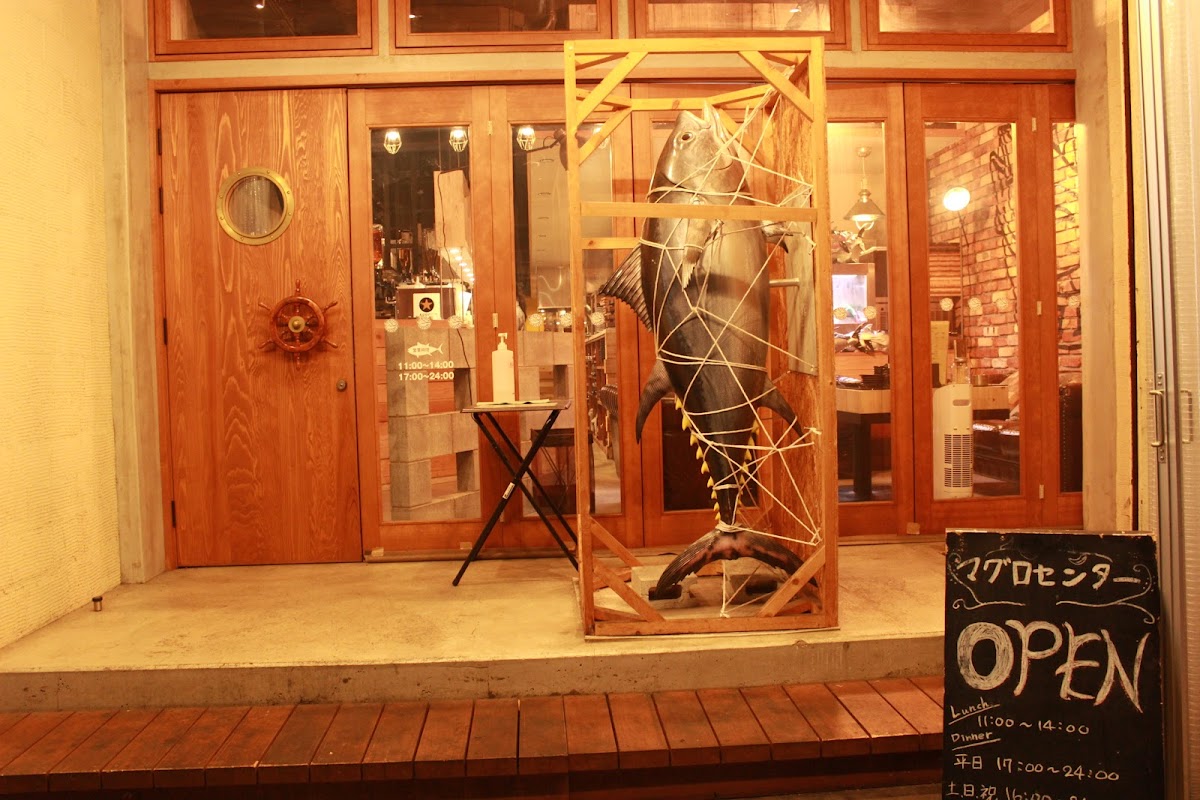
Walking into Maguro Center in the heart of Sakae feels like stepping into a tiny slice of Tokyo’s seafood scene, right here in Japan, 〒460-0008 Aichi, Nagoya, Naka Ward, Sakae, 3 Chome−10−29 リオ第1ビル. The narrow entrance opens into a lively diner-style space where the energy comes from the counter, the open kitchen, and the constant movement of plates loaded with tuna. I first came here after a long day of meetings, following a local chef’s recommendation, and it instantly became one of those places you remember by taste rather than by name.
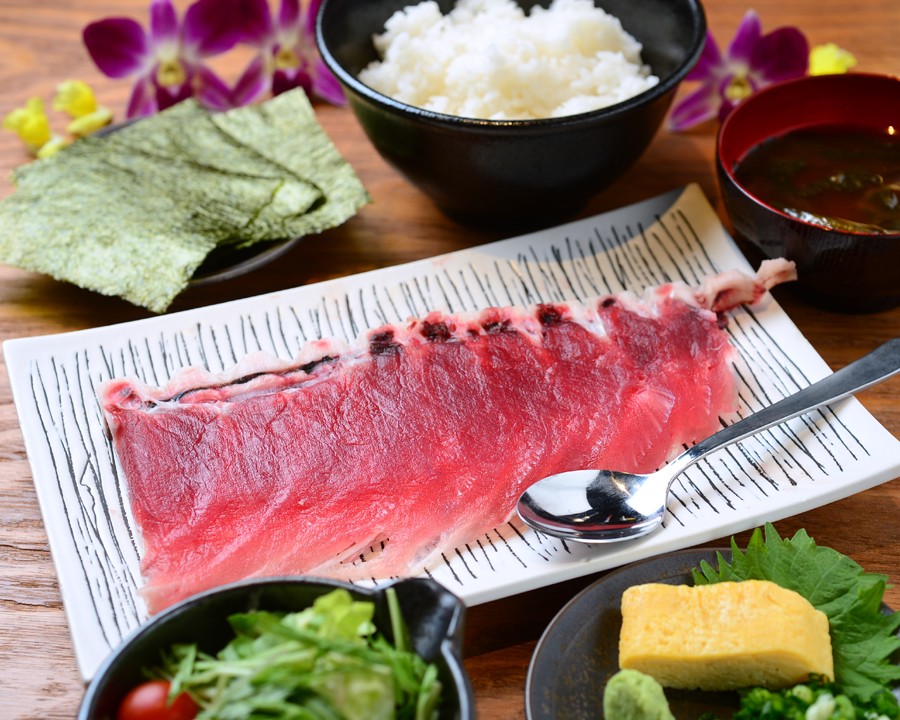
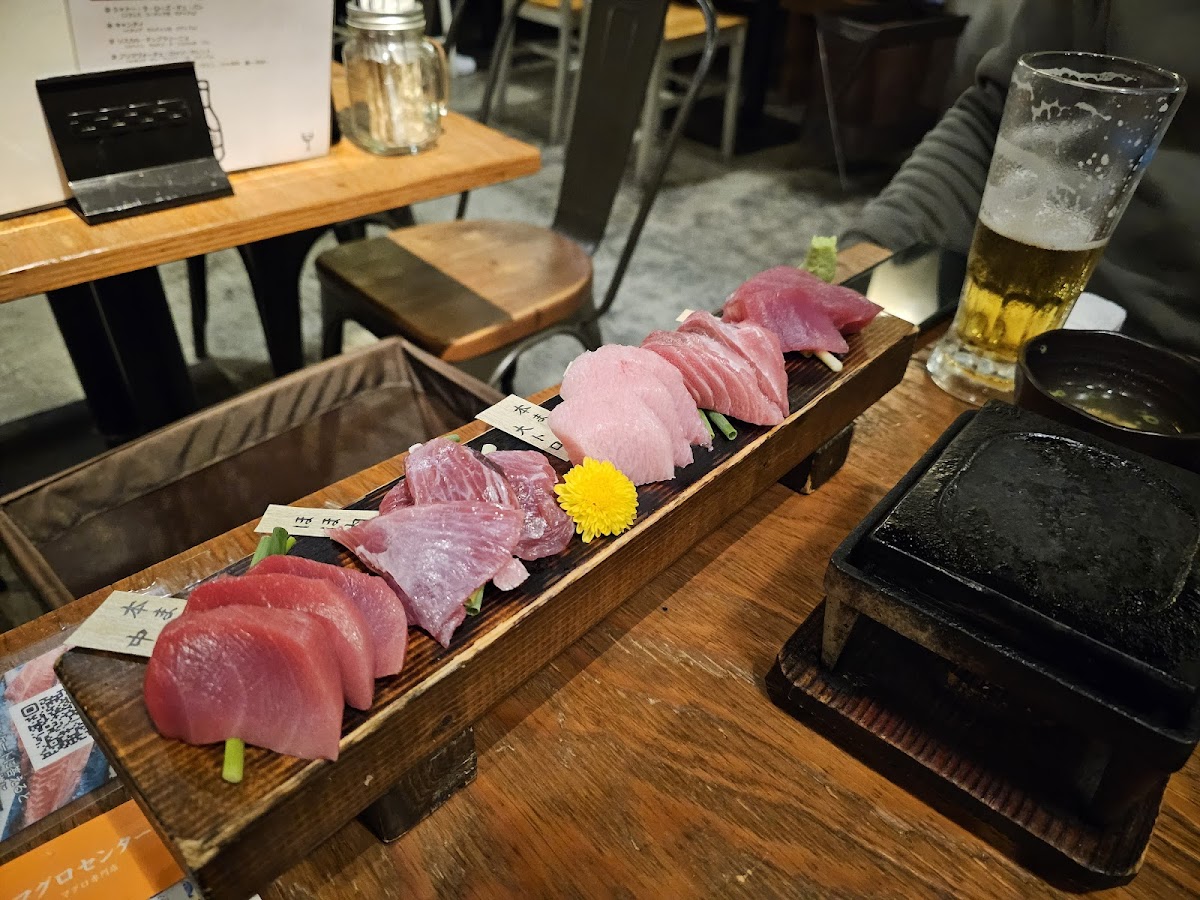
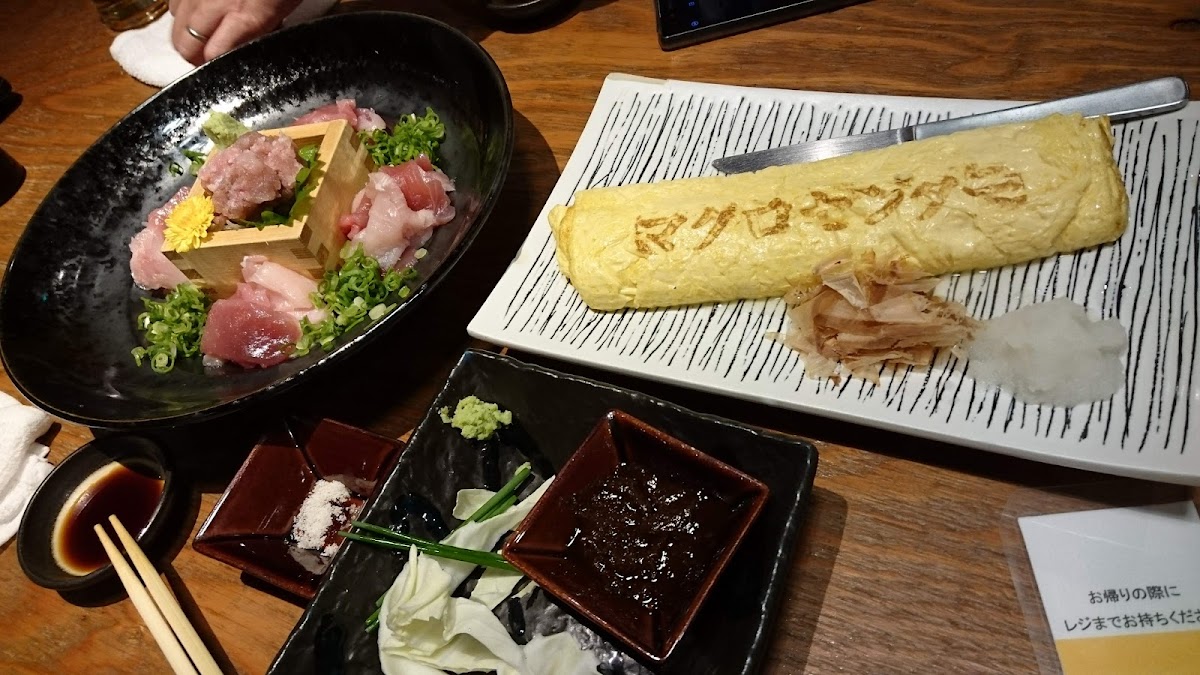
The menu is built around tuna in all its forms, from lean akami to richly marbled toro. What stands out is how clearly everything is explained, even for diners who aren’t experts in Japanese seafood. Staff often point out the differences between cuts, and that small moment of education adds a lot to the experience. On my second visit, I watched a group of tourists get a quick, friendly breakdown of tuna grades before ordering a mixed sashimi bowl, which arrived glossy, chilled just right, and sliced with precision.
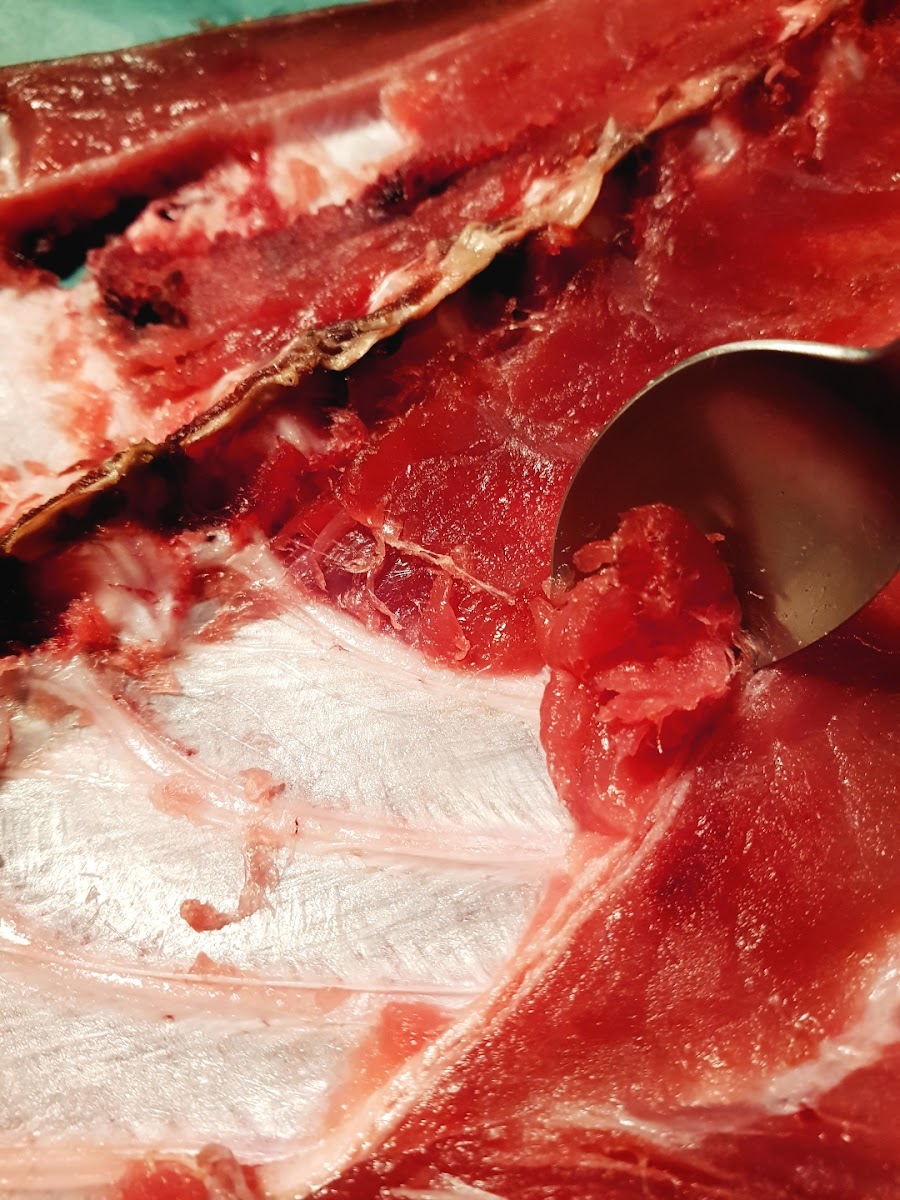
There’s a strong commitment to freshness here, and it shows in the process. Tuna is typically sourced through established wholesale channels that mirror standards set by places like the Tokyo Central Wholesale Market, where quality grading is strict and transparent. According to data published by the Food and Agriculture Organization of the United Nations, tuna quality is heavily influenced by handling temperature and time from catch to plate, and the clean flavor at this diner reflects those best practices. You can taste the difference when fish hasn’t been overhandled or masked with sauces.
One of my favorite real-world examples of their consistency came during a busy Friday night. Despite the packed room, the kitchen maintained the same portion size and presentation I’d seen on quieter afternoons. A regular seated next to me mentioned he comes weekly because the tuna bowls never change in quality, which lines up with many local reviews praising reliability over flash. In restaurant terms, that kind of repeat customer trust is earned, not claimed.
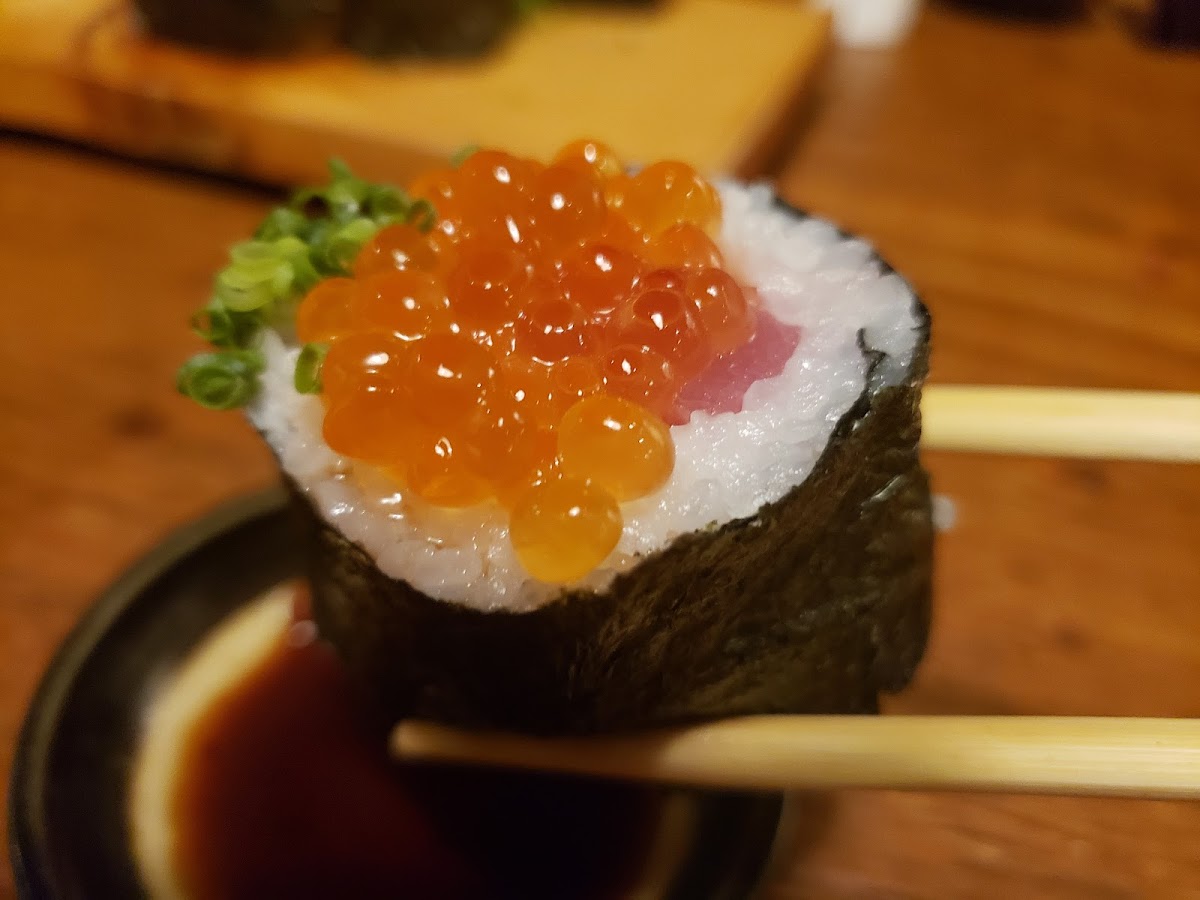
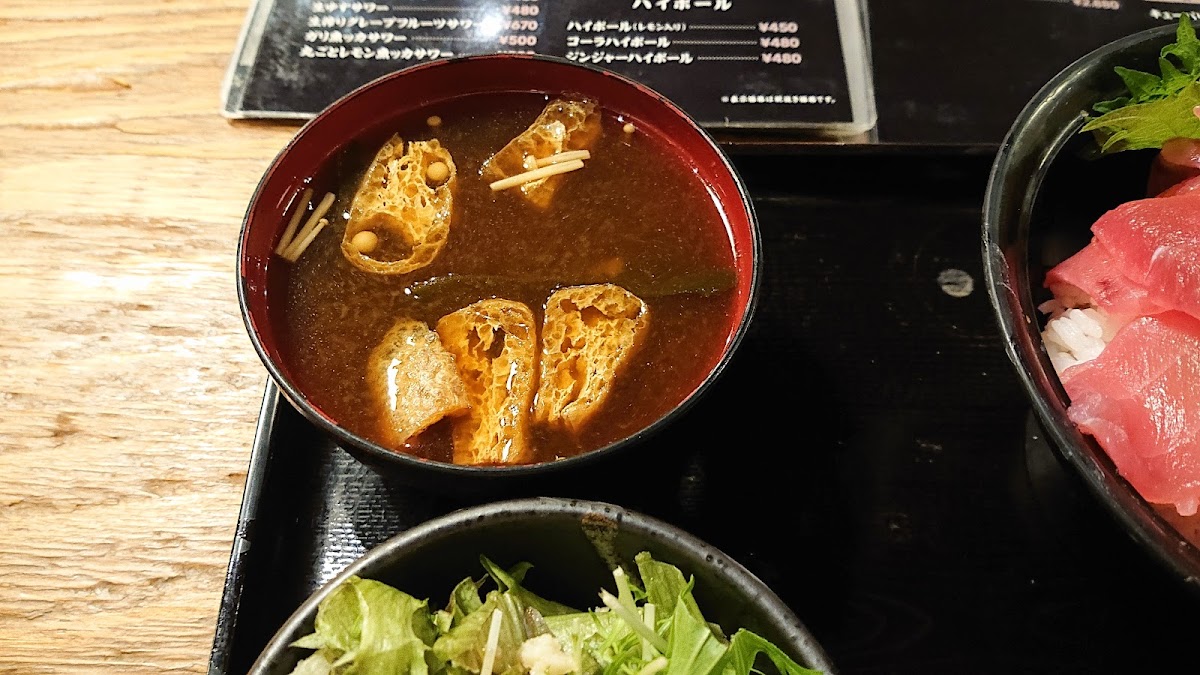
The casual atmosphere doesn’t mean corners are cut. Knife work is careful, rice is seasoned lightly to support the fish, and even side dishes like miso soup feel intentional. These details reflect techniques taught in traditional Japanese culinary training, where balance and restraint matter as much as sourcing. Culinary organizations in Japan often stress that simple seafood dishes demand higher skill because there’s nowhere to hide mistakes, and that philosophy is clearly in play here.
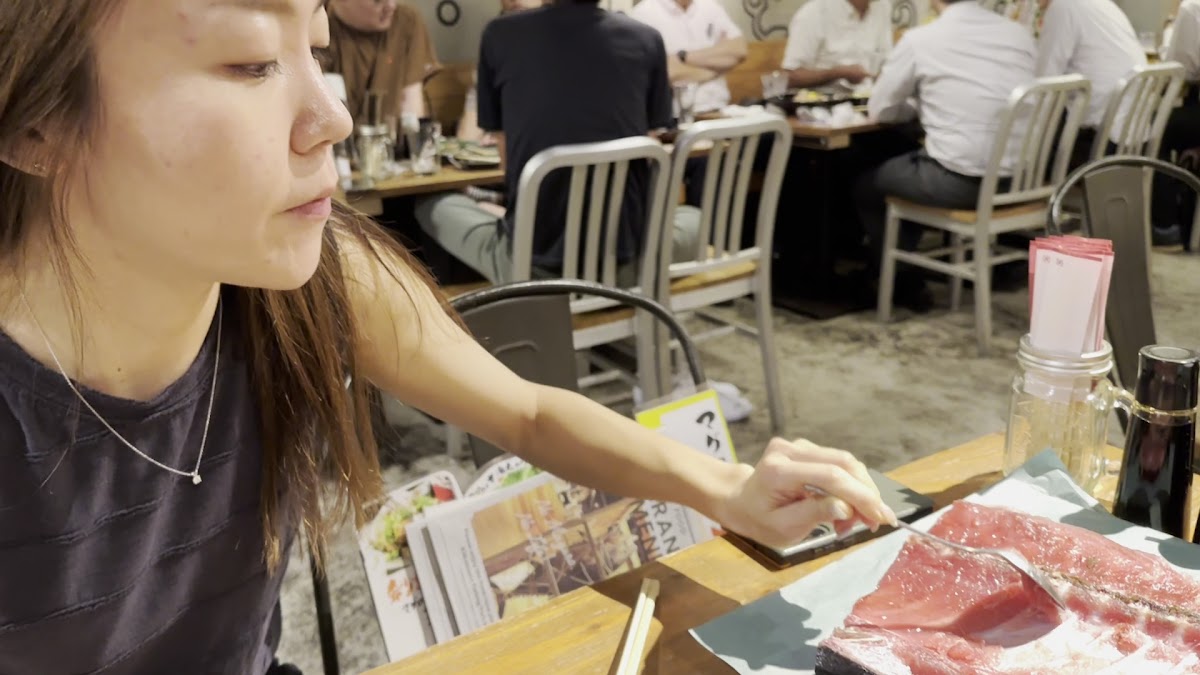
Location matters too. Being in central Nagoya makes this spot easy to reach for lunch breaks or late dinners, and the compact layout encourages conversation. I’ve overheard office workers debating their favorite tuna cuts while solo diners quietly enjoy set menus. That mix gives the place a neighborhood feel, even though it attracts visitors from all over the city.
No restaurant is perfect, and it’s fair to say seating can feel tight during peak hours, which may not suit diners looking for a quiet, spacious meal. Also, while the menu is focused and confident, those hoping for a wide range of non-seafood options might find choices limited. Still, that narrow focus is exactly why the tuna shines.
Among Nagoya seafood diners, this spot has built a reputation based on craft, consistency, and honest flavors. The blend of approachable service, clear expertise, and dependable quality explains why so many reviews read like personal recommendations rather than hype. In a city with endless food options, it’s the kind of place you return to because you trust what will land on your table.